Calming Cat Beds: Do They Really Work?
Posted on : 31/07/2026
You’ve probably seen calming cat beds online. Soft, round, deeply cushioned beds that promise to soothe your anxious cat, reduce stress, and help them sleep more soundly. But do calming cat beds actually deliver all this, or are they just a well-designed product with a big claim attached?
Honestly, it depends on what you’re expecting them to do. There’s real science behind the design, but there’s also a fair bit of overstatement in how they’re sold. Here’s what the research says.
Key Takeaways
- Calming beds work with your cat’s natural instincts for curling, seeking warmth, and the need to feel concealed. The design is sound.
- They can reduce mild, situational stress (noise, a new home, routine disruption) and improve sleep quality.
- They won’t treat genuine anxiety disorders. If your cat’s stress is persistent or severe, see your vet.
- What to look for: raised edges, enclosed or cave-style options, soft high-pile fabric, and a washable cover.
What Makes a Bed “Calming”?
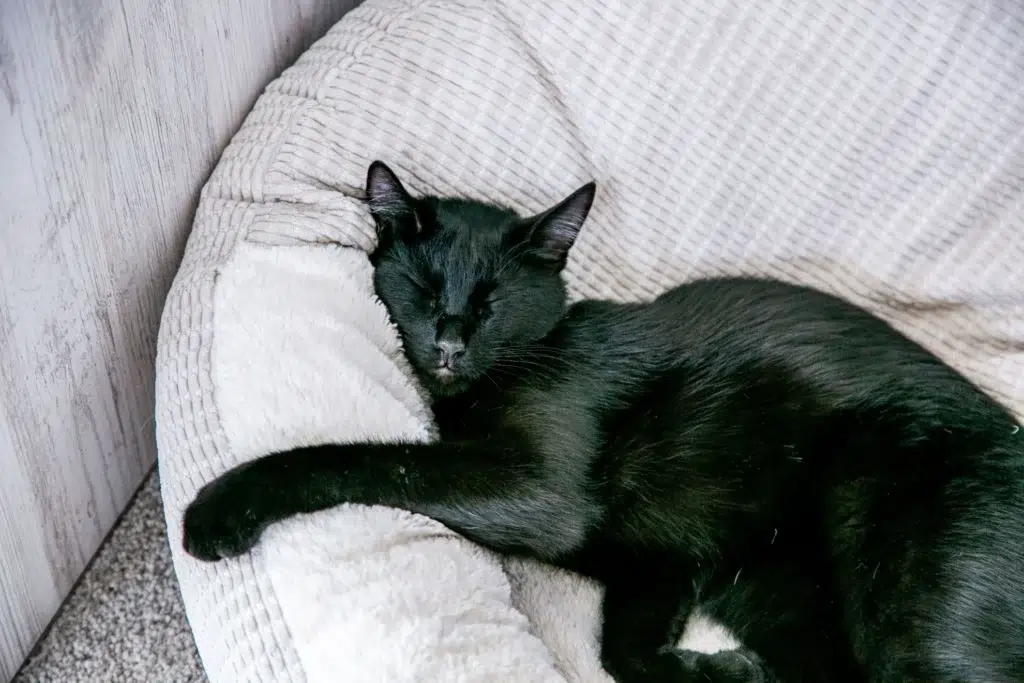
The term “calming bed” usually describes beds with one or more of these features: a raised bolster edge, a donut or nest shape, a cave or dome enclosure, and a soft plush or faux fur lining. The idea is that these design elements tap into natural feline behaviours, particularly the instinct to curl up, stay warm, and feel concealed while resting.
That instinct is real and well-documented. Cats curl up when they sleep primarily to conserve body heat and protect their vital organs, tucking vulnerable areas inward in a posture rooted in their evolutionary history. A bed with raised, encircling edges supports that curled position and mirrors the physical sensation of being contained, which signals safety.
The cave or dome variation takes this further. Enclosed spaces reduce visual and auditory stimulation, letting your cat switch off from the household environment and settle into deeper rest.
So the design logic is solid. The question is whether it actually changes anything measurable.
What the Research Says
The strongest evidence for the calming effect of enclosed spaces comes from shelter research.
A randomised controlled trial published in PLOS ONE found that newly arrived shelter cats given access to a hiding box showed a significantly faster decrease in behavioural stress than those without one, recovering from peak stress approximately 7 days sooner. A review of five further randomised control trials reached consistent conclusions: access to a hiding space reduced measured stress scores in hospitalised cats across all studies examined.
This suggests that concealment and enclosure help cats adapt to stressful environments more quickly, with a measurable shift in stress-related behaviour.
For home environments, the effect is likely less dramatic (your cat isn’t in a shelter or veterinary ward), but the underlying mechanism is the same. A cat who has a familiar, enclosed resting spot has somewhere to decompress when the household gets loud, guests arrive, or routines shift.
When a Calming Bed Helps
A calming bed is most likely to make a difference in these situations:
- Mild situational stress. Thunderstorms, fireworks, tradies in the house, a new baby or other temporary disruptions that unsettle a generally settled cat.
- A new home or environment. Cats adapt to new spaces at their own pace. Having a familiar, enclosed bed to retreat to can help them acclimate faster.
- Multi-cat households. A dedicated bed that “belongs” to a particular cat gives them a secure territory of their own, reducing low-level tension.
- Cats who already like to curl and burrow. If your cat already seeks out tight spaces, a calming bed provides a better version of what they’re already doing.
When It Won’t Be Enough
A calming bed is an environmental enrichment tool, not a clinical treatment. It won’t resolve genuine feline anxiety.
Signs of anxiety in cats can include hiding persistently, aggression, excessive vocalisation, overgrooming leading to hair loss, toileting outside the litter box, and changes in appetite. Several of these signs overlap with medical conditions, which is why a vet check is always the right first step when behaviour changes.
A veterinary consultation is particularly important if you’re seeing excessive self-grooming with hair loss, refusal to eat or drink, frequent toileting outside the litter box, or unusual aggression or extreme withdrawal. These aren’t signs a comfortable bed will fix.
If your cat’s anxiety is persistent or severe, a vet may recommend pheromone diffusers (like Feliway), behaviour modification, or, in some cases, medication. A calming bed can be a useful part of a broader management plan, but it’s not a substitute for that plan.
What to Look for When Buying
If you’ve decided a calming bed is the right fit, here’s what’s worth looking for:
- Raised or enclosed edges. The bolster rim is the core feature. It should be high enough to give your cat something to rest against while still allowing easy entry and exit.
- Cave or dome option for anxious cats. If your cat tends to hide when stressed, a fully enclosed style will be more effective than an open donut.
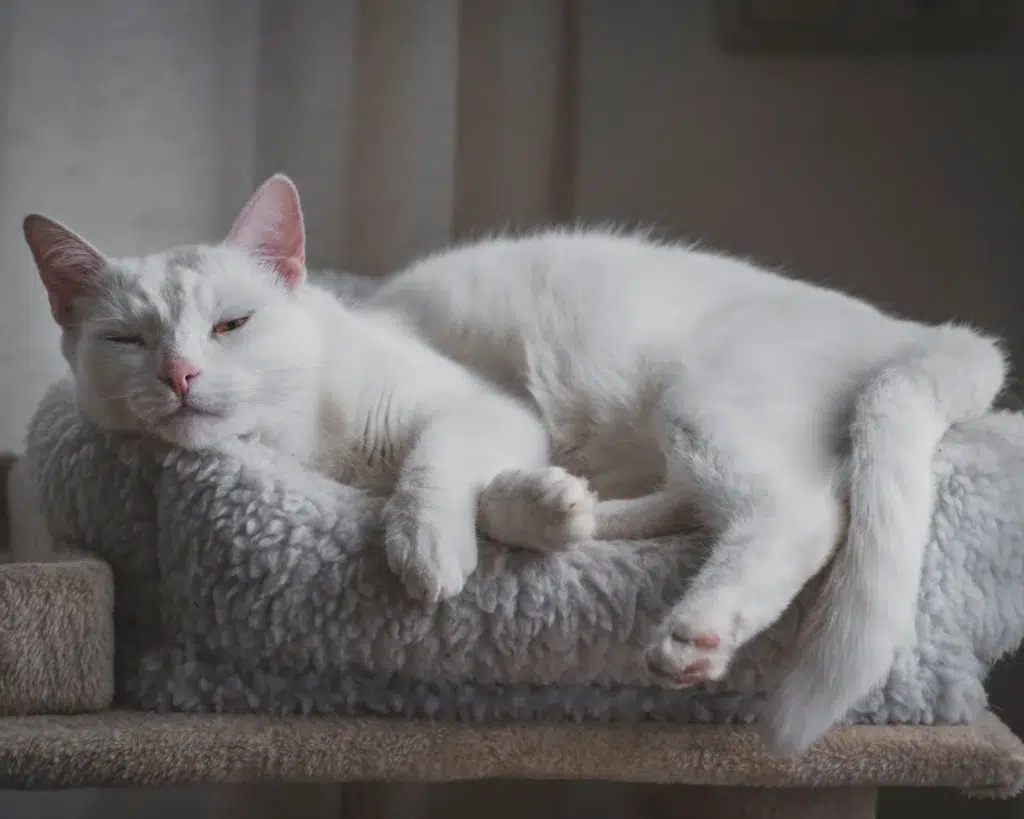
- Soft, high-pile lining. Faux fur or plush fabrics aren’t just aesthetics. They retain warmth and provide tactile comfort, which supports the self-warming effect cats naturally seek.
- Right size for your cat’s breed and build. A bed that’s too small won’t allow your cat to curl comfortably; one that’s too large loses the enclosed, contained feeling that makes it calming in the first place. Measure your cat from nose to tail and check sizing guides before you buy.
- Washable covers. A bed your cat actually uses will need regular washing. Removable, machine-washable covers are a practical necessity, not a bonus feature.
- Durability. Cats scratch, knead, and nest. Reinforced stitching and quality fabric matter more in a cat bed than in almost any other pet product, especially if you want it to last longer than a season.
Superior Pet Goods’ Calming Range
Calming cat beds are a great option for many cats. The design is grounded in real feline instinct and the science of concealment-based stress reduction. For a cat dealing with mild, situational stress, they’re a practical and useful tool. They won’t, however, treat anxiety that’s persistent, severe, or medically driven. If you’re seeing significant behavioural changes in your cat, talk to your vet before you shop for a bed.
For the right cat in the right situation, though, a well-made calming bed is one of the more sensible things you can buy.
If you’re after something built to last rather than a disposable trend purchase, Superior Pet Goods cat beds are designed and assembled in Australia, with a focus on quality materials and practical longevity.