
Cavoodle Dog Breed Guide: Facts & Information
Posted on : 16/12/2025
Pet Insurance Australia has crowned the Cavoodle as Australia’s most popular dog breed in 2025, and it’s not hard to see why. With their teddy bear looks, gentle temperament, and low-shedding coats, these designer dogs have won over families right across the country.
But owning a Cavoodle isn’t just about having an adorable companion. You’ll need to understand their unique health needs, grooming requirements, and personality traits before bringing one home.
Key Insights
- Breed: Cross between a Cavalier King Charles Spaniel and a Poodle (Toy or Miniature)
- Size: 5-12kg, 25-38cm tall; Toy Cavoodles are smaller than Mini Cavoodles
- Lifespan: 12-15 years
- Temperament: Affectionate, intelligent, sociable, gentle with children
- Cost: $2,500-$7,000 from reputable breeders in Australia (2025)
- Best for: Families, apartment dwellers, first-time dog owners, people with allergies
What is a Cavoodle?
A Cavoodle (known as a Cavapoo in the US and UK) combines the laid-back, affectionate nature of the Cavalier King Charles Spaniel with the intelligence and hypoallergenic coat of the Poodle.
The breed’s origins are debated — some claim they first appeared accidentally in the 1950s in America, whilst others credit Australian breeders in the late 1990s with intentionally developing the breed as a companion dog.
What’s not debated is their popularity. These dogs tick nearly every box Australian families look for: friendly temperament, manageable size, minimal shedding, and adaptability to both apartments and houses.
Cavoodles aren’t recognised by major kennel clubs like the Australian National Kennel Council because they’re a crossbreed rather than a purebred. But that hasn’t slowed their rise. If anything, being a “designer dog” has only added to their appeal.

Size & Appearance: What to Expect
Cavoodles come in two main sizes, depending on whether they’re bred from a Toy or Miniature Poodle:
- Toy Cavoodles typically weigh 5-7kg and stand 25-30cm tall at the shoulder. They’re the pint-sized option, perfect if you want a dog that stays puppy-like their whole life.
- Miniature Cavoodles usually weigh 8-12kg and reach 30-38cm in height. They’re still compact but have a bit more substance to them.
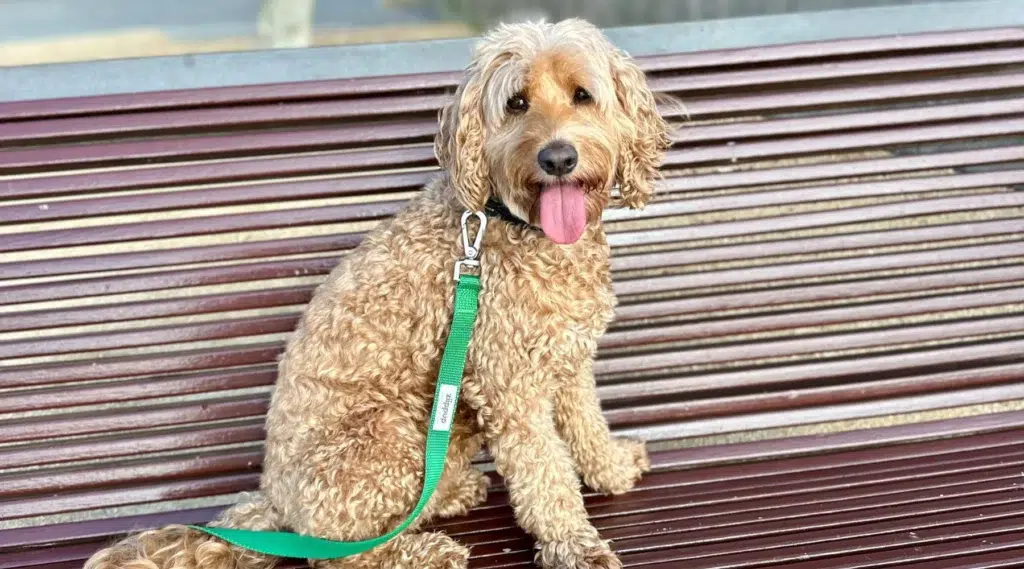
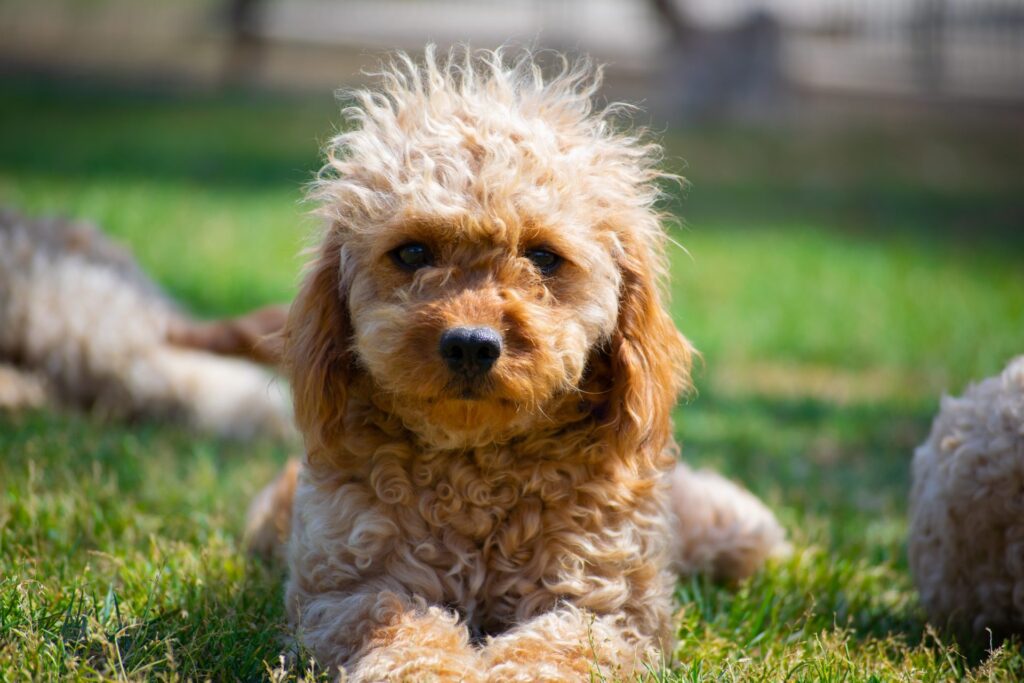
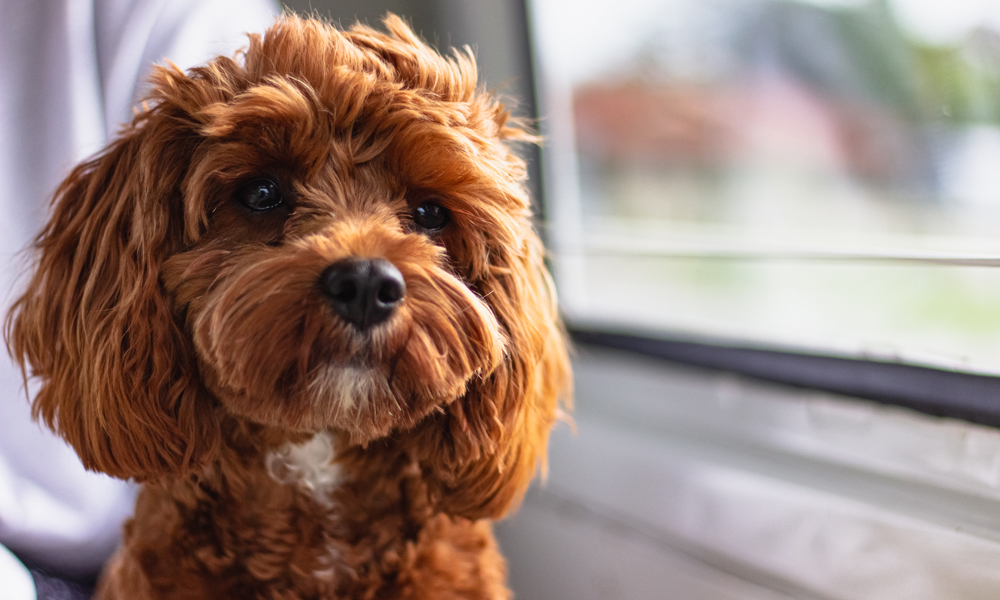
Every Cavoodle looks slightly different because they inherit a random mix of traits from their parent breeds. Some lean more Poodle with tighter curls and a longer snout. Others take after their Cavalier side with softer waves, a rounder face, and those signature big, soulful eyes.
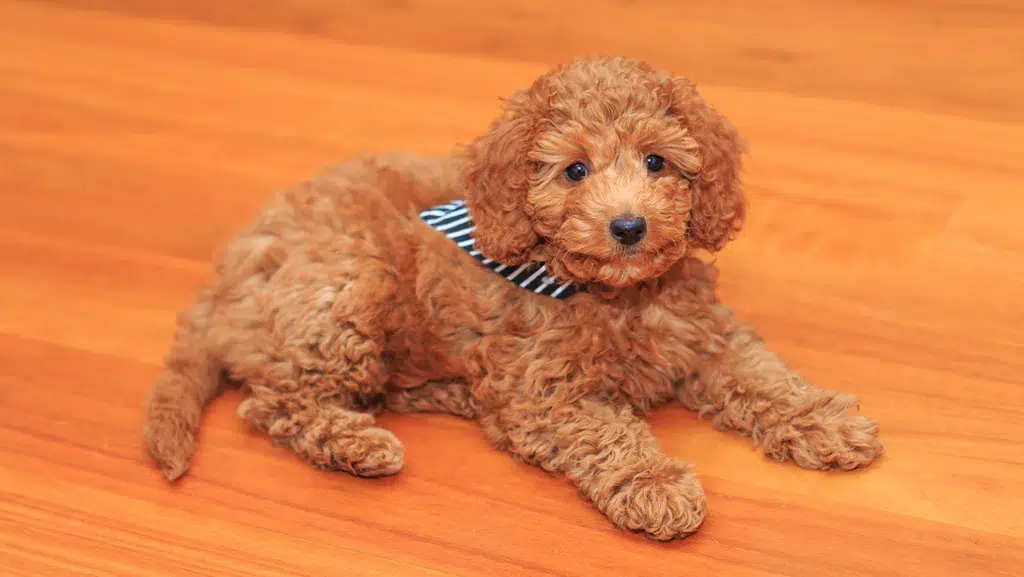
Coat colours range widely: cream, gold, apricot, ruby, chocolate, black, white, tri-colour, and even rare patterns like merle. As Cavoodles age, their coat colour can fade due to a progressive dilution gene inherited from the Poodle parent, so that rich apricot puppy might become a lighter cream by adulthood.
Their floppy ears are almost universal, giving them that endearing, permanently curious expression. And whilst their size varies, most Cavoodles maintain a compact, well-proportioned build that’s sturdy without being stocky.
Temperament & Personality: The People Dog
Cavoodles are bred to be companion animals, and they take that job seriously. These dogs want to be wherever you are — on the couch, in the car, following you from room to room. They’re not independent dogs that are happy to entertain themselves in the backyard. If you work long hours away from home, a Cavoodle will likely struggle.
- With families: They’re gentle and patient with children, making them one of the safest breeds for young kids. They can handle the noise and chaos of a busy household as long as they’re getting enough attention.
- With other pets: Most Cavoodles get along brilliantly with other dogs and even cats, especially if socialised early. They’re not aggressive or territorial — they’d rather make friends than enemies.
- Watchdog tendencies: Despite their friendly nature, Cavoodles are alert and will bark when someone approaches your home. But once they realise the stranger is welcome, they’ll quickly switch from watchdog mode to “new best friend” mode.
- Separation anxiety: This is the breed’s Achilles heel. Cavoodles bond intensely with their families and can develop destructive behaviours, such as chewing furniture, excessive barking, or toileting indoors when left alone for too long. You’ll need to train them gradually to handle solo time.
- Personality variations: Remember, every Cavoodle is a unique mix. If your pup takes after their Poodle parent, you might see a bit of an independent streak and higher energy. If they lean Cavalier, expect a more relaxed, couch-loving companion.
Exercise & Activity Needs
Cavoodles need 30-60 minutes of exercise daily. Not as much as a working breed, but more than your average lap dog. A couple of decent walks, some playtime at the park, and mental stimulation (puzzle toys, training sessions) will keep them happy.
Without adequate exercise, you’ll see problem behaviours crop up: excessive barking, destructive chewing, or hyperactivity indoors. A tired Cavoodle is a well-behaved Cavoodle.
Activity ideas:
- Morning and evening walks around the neighbourhood
- Off-lead play (once recall training is solid)
- Interactive games like fetch or tug-of-war
- Swimming (many Cavoodles love water)
- Agility courses or obedience classes
Don’t make the mistake of treating them like a handbag dog. Yes, they’re small and cute, but they’re still dogs with energy to burn. Carrying them everywhere or skipping walks because they’re “too little” will create behavioural issues down the track.

Grooming Requirements: High Maintenance
Here’s where Cavoodles become a commitment. That beautiful, low-shedding coat doesn’t maintain itself.
Brushing
You’ll need to brush your Cavoodle 3-4 times a week — daily if they have a tight Poodle curl. Skip this, and you’ll end up with painful matting that requires a groomer to shave off. Use a slicker brush and a metal comb to work through the coat thoroughly.
Professional Grooming
Most Cavoodle owners book grooming appointments every 6-8 weeks for a trim, bath, nail clip, and ear clean. Budget for this — it’s not optional. Prices vary, but expect $80-$120 per session, depending on your location.
Coat Types Matter
Cavoodles with tight, curly Poodle coats shed minimally but require the most grooming effort. Those with wavy or straighter Cavalier-style coats shed a bit more but are easier to maintain.
Ear Care
Those adorable floppy ears trap moisture and can become breeding grounds for infections. Check and gently clean your Cavoodle’s ears weekly. After baths or swimming, make sure to dry their ears thoroughly.
Dental Care
Small breeds like Cavoodles are prone to dental disease. Brush their teeth 2-3 times a week with dog-safe toothpaste, or daily if possible. Dental chews can help, but they’re not a replacement for brushing.
Eye Staining
Some Cavoodles develop tear stains (reddish-brown marks under the eyes). Wipe the area daily with a damp cloth and check with your vet if staining becomes excessive (it can indicate allergies or blocked tear ducts).
Health Considerations: Know the Risks
Cavoodles are generally healthier than many purebreds thanks to hybrid vigour (the genetic diversity from crossing two breeds). But they can still inherit health issues from both parent breeds.
Mitral Valve Disease (MVD)
This is the big one.MVD is a heart condition where the mitral valve deteriorates over time, eventually leading to heart failure. It’s extremely common in Cavalier King Charles Spaniels, and Cavoodles can inherit it.
Early detection through regular vet check-ups is crucial. Treatment usually involves medication rather than surgery, with anaverage treatment cost of around $242 according to insurance data.
Hip Dysplasia
A genetic condition where the hip joint doesn’t fit properly into the socket, causing pain and arthritis. Reputable breeders screen parent dogs for hip dysplasia, so always ask to see health clearances.
Progressive Retinal Atrophy (PRA)
An inherited eye disorder that eventually leads to blindness. Again, responsible breeders test for this.
Syringomyelia
A serious condition where the skull is too small for the brain, causing fluid-filled cavities in the spinal cord. It’s more common in Cavaliers but can appear in Cavoodles. Symptoms include head scratching, pain, and sensitivity around the neck.
Patellar Luxation
Dislocated kneecaps are relatively common in small breeds. Your dog might skip on one leg occasionally — it usually pops back into place, but severe cases need surgery.
Gastrointestinal Issues
CHOICE reports that Cavoodles experience gastro conditions and anal sac disorders 25% more frequently than other breeds, with average treatment costs around $872.
What you can do: Choose a breeder who performs comprehensive health testing on parent dogs. Ask to see DNA test results and veterinary clearances. Schedule six-monthly vet check-ups, especially as your dog ages.
Training & Intelligence
Cavoodles inherit the Poodle’s intelligence, which makes them highly trainable. They pick up commands quickly and respond well to positive reinforcement — treats, praise, and play rewards work brilliantly.
Start training at around eight weeks old. Puppy school is worth the investment. Not only will your Cavoodle learn basic obedience, but they’ll also get crucial socialisation with other dogs and people.
Training priorities:
- House training: Consistency is everything. Take your puppy outside frequently, reward toileting in the right spot, and be patient. Small bladders mean accidents will happen.
- Crate training: Helps with house training and gives your dog a safe space. Don’t use the crate as punishment.
- Separation anxiety prevention: Start leaving your puppy alone for short periods (5-10 minutes) and gradually increase. Don’t make a big fuss when leaving or returning.
- Recall training: Essential before off-lead play. Use high-value treats and practice in a secure area first.
- Socialisation: Expose your puppy to different people, dogs, environments, sounds, and experiences between 8-16 weeks. This critical window shapes their adult temperament.
Common training challenges:
- Barking: Cavoodles can be vocal. Train a “quiet” command and don’t accidentally reward barking with attention.
- Jumping up: They’re enthusiastic greeters. Ignore jumping and only give attention when all four paws are on the ground.
- Stubbornness: Some Cavoodles develop a bit of selective hearing, especially if they take after their Poodle parent. Stay consistent and patient.
Cost of Ownership: The Real Numbers
Let’s talk money, because Cavoodles aren’t cheap.
Initial Purchase:Reputable breeders charge $2,500-$7,000 in 2025, with most falling in the $4,500-$5,500 range. Toy Cavoodles and rare colours (tri-colour, merle) sit at the higher end. If you see puppies advertised under $1,500 or over $10,000, proceed with caution — scams are common.
First-Year Costs:
- Puppy vaccinations & vet check-ups: $300-$500
- Desexing (if not done by breeder): $300-$600
- Microchipping: $50-$100 (often included by breeder)
- Council registration: $50-$200 annually
- Food & treats: $500-$800
- Bedding, crate, bowls: $200-$400
- Leads, collars, harness: $50-$150
- Toys: $100-$200
- Grooming supplies (brushes, shampoo): $100-$150
- Professional grooming (6-8 sessions): $500-$1,000
- Training classes: $200-$500
- Pet insurance: $580-$700 annually
Total first year: $3,500-$6,000+ (excluding the puppy purchase price)
Ongoing Annual Costs:
- Food & treats: $500-$800
- Professional grooming: $1,000-$1,500
- Vet check-ups & vaccinations: $200-$400
- Flea/tick/worming treatments: $200-$300
- Pet insurance: $700-$900
- Replacement toys, bedding, supplies: $200-$400
Total annually: $2,800-$4,300
Unexpected vet bills can blow these estimates apart. One emergency or chronic illness can easily cost thousands, which is why many owners opt for insurance.
What to Look for in a Breeder
Choosing the right breeder is the single most important decision you’ll make. A good breeder sets your Cavoodle up for a healthy, happy life. A dodgy backyard breeder or puppy farm can leave you with expensive vet bills and heartache.
Green flags (look for these):
- Registered with organisations like the Master Dog Breeders & Associates (MDBA), Responsible Pet Breeders Australia (RPBA), or verified with RightPaw
- Willingly provides DNA health test results for both parent dogs (covering conditions like PRA, hip dysplasia, MVD, and more)
- Lets you meet the puppy’s mother and see where dogs are raised
- Raises puppies in a home environment with early socialisation
- Asks you questions about your lifestyle, home, and experience
- Provides a written contract, health guarantee, and support after purchase
- Doesn’t always have puppies available — reputable breeders have waiting lists
- Breeds first-generation (F1) Cavoodles from purebred parents (reduces genetic issues)
Red flags (run away if you see these):
- Prices significantly below market ($1,500 or less) or ridiculously high ($10,000+)
- Always has puppies available or multiple litters at once
- Won’t let you visit or meet the mother
- Can’t provide health test results
- Sells puppies younger than 8 weeks
- Breeds Cavoodle-to-Cavoodle (multi-generation crosses increase health risks)
- Pressures you to buy immediately
- Sells through pet shops or online marketplaces without proper vetting
Australia saw over 1,000 puppy scam reports between January and July 2020 alone, with 184 specifically targeting Cavoodle buyers. Scammers steal photos from legitimate breeders, set up fake websites, and disappear once you’ve paid a deposit. Always visit in person and verify credentials.
Living Requirements & Home Setup
One of the Cavoodle’s biggest advantages is adaptability. They thrive in apartments, townhouses, and houses — size doesn’t matter as much as the quality of care and attention they receive.
Indoor setup:
- A comfortable bed in a quiet spot (they sleep 12-14 hours a day as adults)
- Food and water bowls in an accessible location
- A crate or puppy pen for training and safe containment
- Chew toys and puzzle toys for mental stimulation
- Baby gates if you need to restrict access to certain rooms
Outdoor considerations: Whilst Cavoodles don’t need a huge backyard, they do need secure outdoor access for toileting. If you’re in an apartment, be prepared for multiple daily trips outside. Balconies work for quick toilet breaks if you use artificial grass pads, but they’re not a substitute for proper walks.
Climate tolerance: Cavoodles handle Australian weather reasonably well, but aren’t built for extremes. On scorching summer days, walk them early morning or late evening and ensure they have access to shade and water. In winter, some Cavoodles (especially those with shorter coats) might appreciate a dog jacket for walks.
Separation tolerance: As mentioned earlier, Cavoodles struggle when left alone for extended periods. If you work full-time, consider doggy daycare, a pet sitter, or coming home at lunch. Eight hours alone daily is too much for most Cavoodles.
Creating a Comfortable Space for Your Cavoodle
Every dog needs a retreat — a spot where they feel safe and can relax. Cavoodles are no different.
A quality dog bed makes a real difference to their comfort, especially as they age. Look for orthopedic options that support their joints (important given their hip dysplasia risk) with removable, washable covers for easy cleaning. Memory foam beds are particularly beneficial for older Cavoodles dealing with arthritis.
In colder months, consider self-warming blankets or mats that reflect your dog’s body heat. Cavoodles love to burrow and nestle, so cave-style beds or blankets they can tunnel under are often favourites.
For anxious Cavoodles (and there are many), calming beds with raised edges that mimic the feeling of being cuddled can help reduce stress when you’re not home.
Don’t skimp on bedding quality. Your Cavoodle will spend roughly half of their life sleeping, and proper support prevents discomfort, especially for a breed prone to joint issues.
Is a Cavoodle Right for You?
Cavoodles suit a wide range of households, but they’re not for everyone.
You’ll love a Cavoodle if:
- You want an affectionate companion who’s always by your side
- You’re home regularly or can take your dog to work
- You have time for daily walks and play
- You’re committed to regular grooming (or budgeting for professional grooming)
- You want a dog that’s great with kids and other pets
- You live in an apartment or a smaller home
- You prefer a low-shedding breed
A Cavoodle might not suit you if:
- You work long hours with no one home during the day
- You travel frequently and can’t take your dog along
- You’re not willing to invest in grooming (time or money)
- You want a low-maintenance, independent dog
- You’re on a tight budget (initial cost plus ongoing expenses add up)
- You prefer a larger, more robust breed
Snuggle Up With Australia’s Favourite Breed
Cavoodles have earned their spot as Australia’s favourite breed through a winning combination of temperament, size, and adaptability. They’re loving, intelligent, and suited to families, couples, and singles alike.
But they’re not an easy-care accessory. These dogs demand attention, regular grooming, proper training, and financial commitment. If you’re prepared to meet those needs, a Cavoodle will reward you with 12-15 years of unwavering loyalty and companionship.