
Caring for a Senior Dog: Comfort, Sleep & Quality of Life
Posted on : 12/05/2026
Watching your dog slow down is one of those quiet, bittersweet parts of pet ownership. The stairs take longer. The morning stretch comes with a groan. Sleep takes up more and more of the day. Senior dog care isn’t complicated, but it does require a real shift in thinking, particularly around rest, warmth, and joint support. Get those things right, and your older dog can still have a genuinely good quality of life.
Key Takeaways
- Dogs are generally considered seniors at 7–9 years old (for small breeds) or 5–7 years old (for large breeds).
- Sleep increases with age, but quality matters more than quantity.
- Hard floors and worn-out beds put real pressure on ageing joints.
- Orthopaedic and memory foam beds offer targeted support for dogs with arthritis or stiffness.
- Dog joint supplements like glucosamine and chondroitin are widely used, though clinical evidence is mixed.
- Warmth, routine, and a calm sleep environment are core to an old dog’s comfort at home.
When Does Senior Dog Care Actually Start?
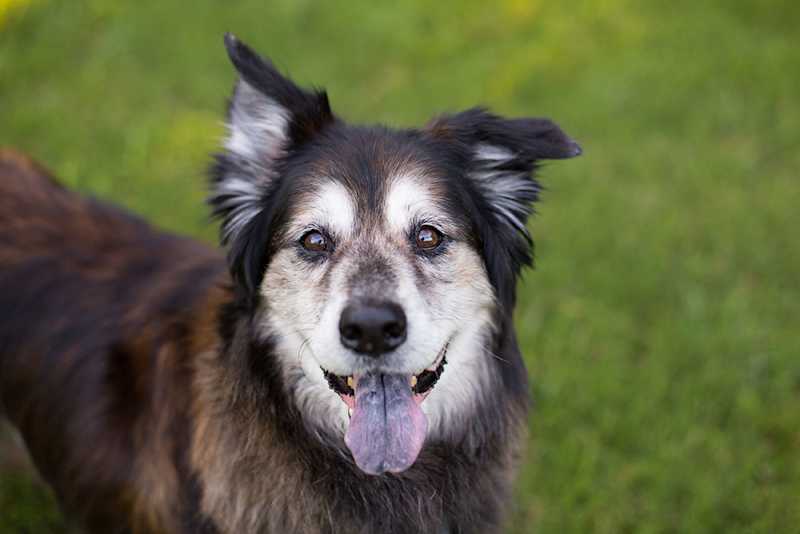
It depends on your dog’s size. Smaller breeds tend to reach their senior years around 7–9, while larger breeds often get there earlier – around 5–7. A Great Dane at 6 is a senior; a Maltese at 6 is still comfortably middle-aged.
What matters more than the number is watching for the signs: slower movement, more time sleeping, reluctance to jump, weight changes, or increased stiffness after rest. Those cues tell you it’s time to start thinking more carefully about their day-to-day needs.
Sleep Changes in Older Dogs
Senior dogs sleep a lot – sometimes up to 16 hours a day. But more sleep doesn’t automatically mean better sleep. Older dogs wake more frequently through the night, can feel disoriented (especially with gradual hearing or vision changes), and are far more sensitive to temperature.
Old dog comfort starts with where they’re sleeping.It’s recommended that older dogs have easy access to a warm bed in a quiet spot away from disturbances. That means thinking about both the sleeping surface and whether they’re warm enough overnight. Pet blankets make a real difference here – particularly for dogs who feel the cold more as they age or who burrow when trying to settle.
The Right Bed for Dog Joint Health
This is where you can make the biggest practical difference. Hard floors are unforgiving on ageing joints, and a flat, poorly cushioned bed doesn’t offer much improvement. The right sleeping surface is one of the most straightforward senior dog care upgrades you can make.
For dogs showing signs of arthritis or stiffness, ortho beds provide firm, structured support that distributes body weight and reduces pressure on hips, elbows and shoulders. Memory foam beds contour to the dog’s shape, relieving pressure points across the whole body. Both are widely recommended by vets for supporting dog joint health in older pets.
For senior dogs who’ve become more anxious with age, calming beds with raised bolster edges provide a sense of security, helping them settle and sleep more deeply.
Dog Joint Supplements – What the Evidence Says
Glucosamine and chondroitin are the most widely used dog joint supplements for older dogs, and many vets routinely recommend them. But the research tells a nuanced story.
One trial published in The Veterinary Journal found statistically significant improvements in pain scores and weight-bearing after 70 days of glucosamine/chondroitin treatment. However, a 2017 review in Open Veterinary Journal concluded that clinical benefit remains uncertain and that more rigorous research is still needed.
The practical takeaway: talk to your vet about dog joint supplements as part of a broader care plan that also includes low-impact exercise, weight management, and proper sleep support. Supplements tend to work best alongside those changes, not in place of them.
Small Changes That Add Up
Beyond the bed, a few practical adjustments can meaningfully improve daily comfort:
- Raise food and water bowls to reduce strain on the neck and shoulders at mealtimes.
- Add non-slip mats on tiles and polished floorboards – slipping is hard on joints and can cause injury.
- Keep exercise gentle but consistent. The American Animal Hospital Association notes that muscles support joints and that inactivity can accelerate stiffness. Short, regular walks beat occasional long ones.
- Book vet check-ups every six months. Many conditions common in older dog care – kidney disease, dental disease, thyroid changes – are far easier to manage when caught early.
Ready to make your older dog more comfortable at home? Superior Pet Goods offers a full range of orthopaedic, memory foam and calming beds – sized and designed for dogs of all breeds and ages, and made right here in Australia. Browse the range and find the right fit for your dog.