
Allergies and Your Dog: Choosing Hypoallergenic Bedding
Posted on : 17/11/2025
Allergies can sneak up on dogs in the same way they do with people. Maybe you have seen your dog scratching more than usual, or you notice sneezing and watery eyes after they wake up. It can be upsetting to watch and hard to pin down the cause. Dust, pollen, mould and even skin flakes known as pet dander all play a part. And because dogs spend such a big chunk of their day asleep, their bed often ends up being the main source of irritation. The simple act of changing to a hypoallergenic dog bed can remove many of those triggers and help your dog feel more comfortable.
Common Triggers to Look Out For
Dogs can react to plenty of everyday allergens, but the most common are:
- Pet dander: tiny flakes of skin that stick to bedding and irritate sensitive dogs.
- Dust mites: almost invisible pests that thrive in traditional dog bed fillings.
- Mould and pollen: Spores of mould and pollen from walks can travel on your dog’s coat and transfer to beds and bedding.
If you see your dog licking their paws constantly, scratching around their ears, or developing red patches on their skin and fur, then your furry friend may be suffering from allergies.
Repeat ear infections are also another common allergy to watch out for. If you have already ruled out fleas and diet, their bedding may be the overlooked factor.
Why the Right Bed Matters
Dogs spend a huge part of their lives asleep, often up to twelve to fourteen hours a day! A bed that holds on to dust, moisture, and old stuffing can quickly become a breeding ground for allergens and mites.
You can help by choosing bedding made with fabrics that breathe, covers that can go in the wash, and foam that resists mites. Opting for Australian-made dog beds built with durable, safe materials not only helps keep allergies in check but also gives your dog a cleaner, healthier place to sleep each night.
What Sets a Hypoallergenic Bed Apart
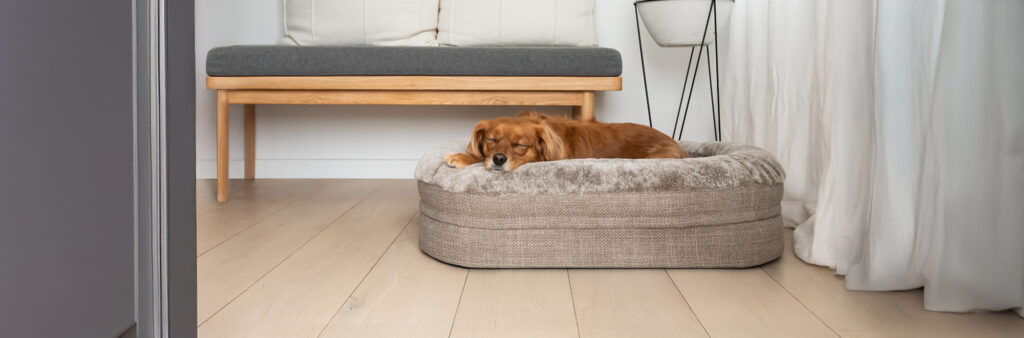
Not every bed is made with sensitive dogs in mind. A good hypoallergenic dog bed is different because it tackles the things that make life itchy and uncomfortable. Think of it as a clean slate for your pet, built to stay fresher for longer.
Here are the features that matter most when it comes to picking the right bed:
- Removable covers you can throw straight into the wash without fuss. Weekly washes keep dust and dirt from piling up.
- Supportive foam core, such as a memory foam dog bed. Our memory foam beds are made with hypoallergenic loose flakes rather than a solid block, which allows pets to naturally nest while still cushioning sore joints and giving full body support.
- Breathable, quick-dry fabrics that don’t hold on to moisture. Less dampness means less mould, fewer smells, and a healthier spot to snooze.
- Tough stitching and durable fabrics ensure that the bed can handle wash after wash without falling apart and can even withstand the odd chomp here and there.
For dogs who already struggle with allergies, the difference can be clear within days. Owners often say they notice less scratching and more peaceful naps once they make the switch.
Everyday Habits That Help
Owning a hypoallergenic dog bed is a strong start, but daily habits are just as important for keeping allergies in check. A clean environment means fewer allergens hanging around and less irritation for your dog.
Here are some practical steps to try:
- Wash bedding often: Take off the cover and wash it in hot water once a week to kill dust mites and clear away dirt.
- Vacuum the area: Regular vacuuming around the bed helps keep pet dander and dust under control.
- Wipe paws after walks: Pollen and grass seeds stick to fur and pads, so a quick wipe before they climb into bed stops allergens spreading indoors.
- Bathe with care: A gentle, vet-approved shampoo can calm itchy skin and reduce dander.
- Rotate beds or covers: Having a spare cover or second bed lets you swap quickly, so your dog always has a clean place to sleep.
- Air out bedding: Placing the bed outside in fresh air and sunshine every so often helps kill bacteria and freshens it naturally.
These steps don’t take much effort, but combined with the right bed, they can create a noticeable improvement. Over time, you’ll likely see less scratching, fewer flare-ups, and a dog that settles into their Australian dog bed with more comfort.
Picking the Right Bed for Your Dog
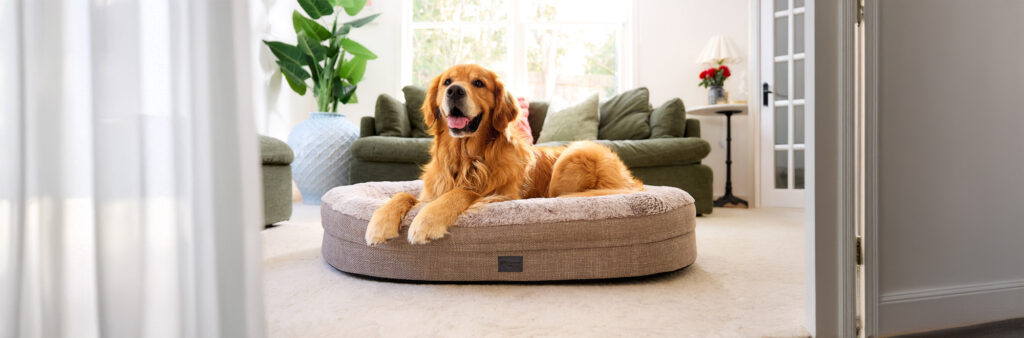
Dogs are all different. Seniors with stiff joints will get the most out of a supportive memory foam dog bed that is also hypoallergenic. Puppies need smaller, softer pet beds that can handle frequent washing. Outdoor dogs rest better on raised designs that dry quickly and allow airflow.
Matching your dog’s needs with the right bed makes a noticeable difference to their comfort and their health.
Living Day to Day with Allergies
Managing allergies is not about finding a quick cure. It is about reducing triggers so your dog can settle and rest without constant irritation. A good hypoallergenic dog bed lowers exposure to dust, dander and pollen. Add in simple cleaning routines and you give your pet the comfort they deserve.
Browse our collection of Australian dog beds and pick out a healthier place for your dog to call their own.