
The Link Between a Good Bed and Your Dog’s Behaviour
Posted on : 16/11/2025
Every pet parent knows how much sleep can affect mood. Just like us, dogs who sleep well tend to be calmer, more balanced, and easier to live with. On the other hand, poor rest often leads to irritability, stress, and unwanted behaviours. One of the biggest influences on your dog’s rest is their bed.
Choosing the right option, such as a calming dog bed or a memory foam dog bed, can provide comfort, security, and support, all of which directly affect your dog’s behaviour and well-being. The right sleeping setup also helps ease dog anxiety and can help reduce common dog behaviour problems.
How Comfort Affects Dog Behaviour
When dogs have a space that feels safe and cosy, they can reduce stress and improve their sense of security. Research by the University of Sydney Faculty of Veterinary Science explored how sleep and resting behaviour can be linked to welfare. In a study of shelter dogs, those able to rest more during the day showed more positive behaviour and lower stress. This suggests that sleep quality and secure resting environments directly influence wellbeing and behaviour.
Without this safe space, dogs may struggle to relax, which can contribute to pacing, barking, chewing, or other signs of restlessness. Providing a proper bed, especially a calming dog bed, gives your pet a dedicated spot to retreat to when the world feels overwhelming.
Understanding Dog Anxiety
Dog anxiety is more common than many realise. It can be triggered by loud noises, being left alone, changes in routine, or discomfort at home. Dogs experiencing anxiety may show signs such as destructive chewing, whining, hiding, or aggression. By creating a secure environment with a supportive bed, you can help ease some of these triggers and provide a sense of safety that lowers their stress levels.
Anxiety can also build up gradually if dogs never feel truly rested. Think about how we feel after several nights of poor sleep. Tiredness makes it harder to cope with stress, and the same is true for dogs. A proper resting place helps break that cycle, supporting both their emotional and physical health.
Why a Calming Dog Bed Helps
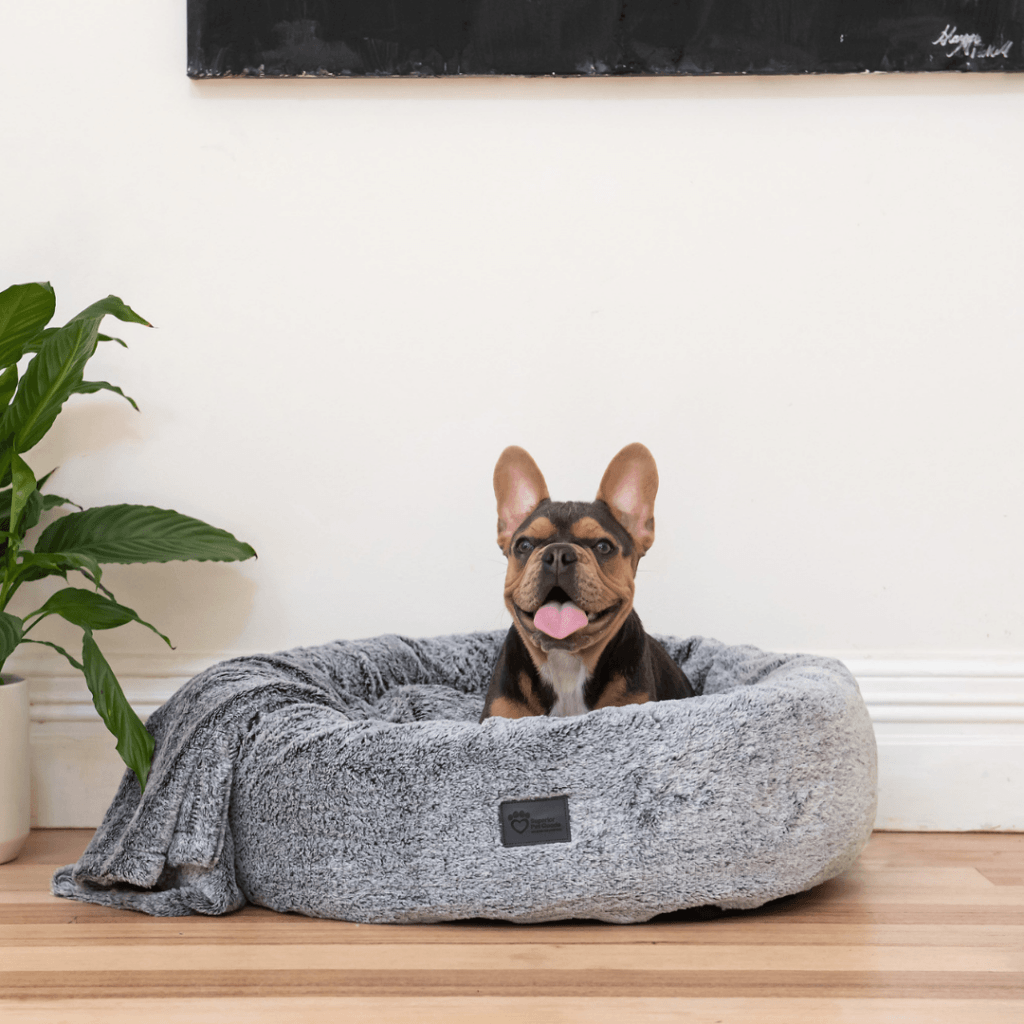
A calming dog bed is designed to mimic the soothing comfort of a den. Raised sides or bolsters create a cocoon-like space where your dog can curl up and feel protected. This helps reduce feelings of vulnerability, which in turn calms anxious behaviour. Soft, plush materials add to the effect by making the bed warm and inviting, encouraging your dog to settle down.
The Role of Memory Foam in Better Sleep
Dogs with joint issues or older pets often find it harder to get comfortable. This discomfort can spill over into their behaviour, making them grumpy or less tolerant. A memory foam dog bed supports joints by moulding to your dog’s body, reducing pressure points and making rest more restorative. With better sleep and less discomfort, your dog is more likely to be relaxed, happy, and well-behaved.
Adding memory foam to a dog’s environment is not just about comfort, it is about longevity. By improving rest, you may also help protect mobility and overall well-being. Over time, this can reduce the impact of behaviour issues that arise when dogs are in pain or unsettled.
Behaviour Problems Linked to Poor Rest
Without a suitable bed, dogs may develop or worsen certain behaviour problems:
- Excessive Barking: Restless dogs are more reactive to noises and movements around them.
- Destructive Chewing: Anxiety and frustration can lead to chewing furniture or personal items.
- Aggression: Lack of quality sleep can make some dogs more irritable and short-tempered.
- Separation Anxiety: Without a comforting space, being left alone becomes even more stressful.
Addressing these issues often starts with making sure your dog has a safe, secure, and comfortable resting spot.
How to Choose the Right Bed for Behaviour Support
When selecting a bed, think about your dog’s specific needs:
- For anxious dogs, look at calming dog beds with bolstered sides.
- For older pets or dogs with arthritis, a memory foam dog bed provides joint support.
- For high-energy dogs, a durable bed with easy-to-clean covers is practical for daily use.
- For small breeds, a snug bed that feels enclosed may help them feel more secure.
Taking the time to observe how your dog likes to sleep can guide your choice. Some dogs prefer curling up, while others like to stretch out fully. Matching the bed to these habits helps create a setup that supports relaxation and positive behaviour.

Creating a Sense of Safety
Dogs thrive when they have a place that feels like their own. By placing the bed in a quiet corner of the home and encouraging your dog to use it, you create a personal retreat where they feel safe. Over time, your dog will associate the bed with calmness and rest, which helps reduce dog behaviour problems linked to anxiety and stress.
You can enhance this sense of safety by keeping a familiar toy or blanket in the bed. These small touches add comfort and remind your dog that this is their space. Consistency is key, as using the same area for rest helps build trust and routine.
Why a Good Bed Means Better Behaviour
The connection between good sleep and good behaviour is simple but powerful. A secure, comfortable, and supportive bed can reduce anxiety, ease behavioural problems, and give your dog the sense of safety they need. Investing in a quality calming dog bed or memory foam dog bed is more than buying a product; it is creating a foundation for a happier, healthier pet.