
Miniature Dachshund Guide: Facts & Information
Posted on : 17/12/2025
Think Miniature Dachshunds are just cute lapdogs? You’re only half right. These pint-sized hounds pack serious hunting instincts, stubborn streaks, and surprising courage into their long, low bodies. But here’s what most new owners don’t realise until it’s too late: that distinctive sausage shape comes with real health risks that require lifelong management.
Whether you’re considering bringing home a Mini Dachshund or you’ve already fallen for one, this guide covers everything Australian dog owners need to know — from their badger-hunting heritage to managing back problems, plus practical advice for living with these spirited little characters in our climate.
Key Insights
- Size: Under 5 kg when fully grown, standing 13-18 cm tall
- Lifespan: 12-16 years with proper care
- Temperament: Bold, loyal, stubborn, alert, thinks it’s much bigger than it is
- Exercise needs: Moderate but back-safe activities are essential
- Health alert: 1 in 4 Dachshunds will experience back problems (IVDD) during their lifetime
- Best for: Patient owners who can provide consistent training and protect their dog’s spine
- Climate suitability: Need protection in both hot Australian summers and cold winters due to low-to-ground build
What is a Miniature Dachshund?
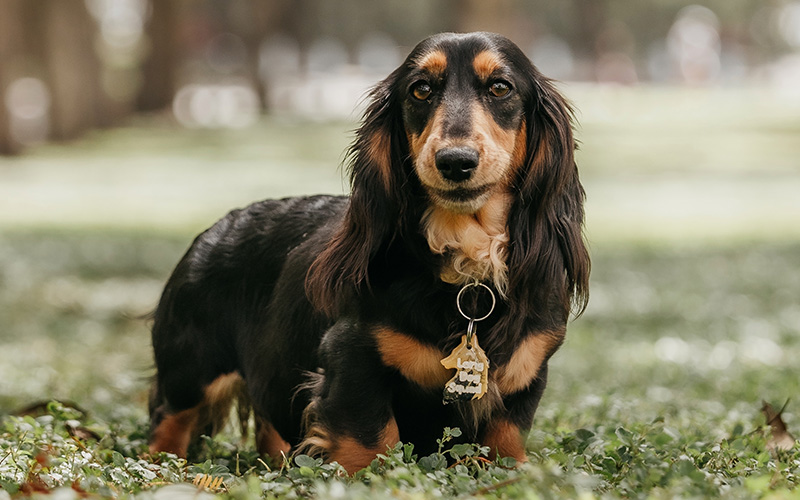
The Miniature Dachshund is simply a smaller version of the Standard Dachshund. While Standards can weigh up to 14 kg, Minis tip the scales at under 5 kg and stand just 13-18 cm at the shoulder. Some kennel clubs use chest circumference rather than weight to classify them, but here in Australia, weight is the standard measure.
You’ll also hear them called Mini Doxies, sausage dogs, or wiener dogs. And yes, the hotdog was actually named after these dogs, not the other way around. The shape was so distinctive that when German immigrants in America started selling “Dachshund sausages” at baseball games in the early 1900s, the name eventually shortened to “hot dog.”
There’s also an even smaller variety called the Kaninchen (German for “rabbit”), bred to hunt the smallest prey. These aren’t officially recognised in Australia, but you might see them advertised. Be cautious — extremely small Dachshunds often come with additional health complications.
History: From German Badger Hunters to Australian Backyards
Dachshunds have been working dogs since at least the 1500s in Germany. The name literally translates to “badger dog” (dachs = badger, hund = dog), and their job was deadly serious: follow badgers into their underground dens and either flush them out or fight them underground.
This wasn’t a job for timid dogs. Badgers are aggressive, powerful animals that can weigh up to 12kg. The Dachshund’s long, low body allowed them to enter narrow burrows, whilst their loud bark alerted hunters above ground to their location. Their paddle-shaped paws were perfect for digging, and their loose skin protected them from bites and scratches in tight spaces.
By the late 1800s, breeders wanted even smaller dogs to hunt rabbits and other small game that lived in narrower burrows. Through selective breeding, the Miniature Dachshund was developed. They became so popular that the American Kennel Club recognised both Standard and Miniature varieties way back in 1885.
These days, most Mini Dachshunds in Australia are beloved family pets rather than working hunters. But don’t let their domestication fool you — those hunting instincts are alive and well.
Your Mini will still dig, chase, and bark with the same determination their ancestors showed 400 years ago.
Physical Characteristics: More than Just a Long Body
Size and Build
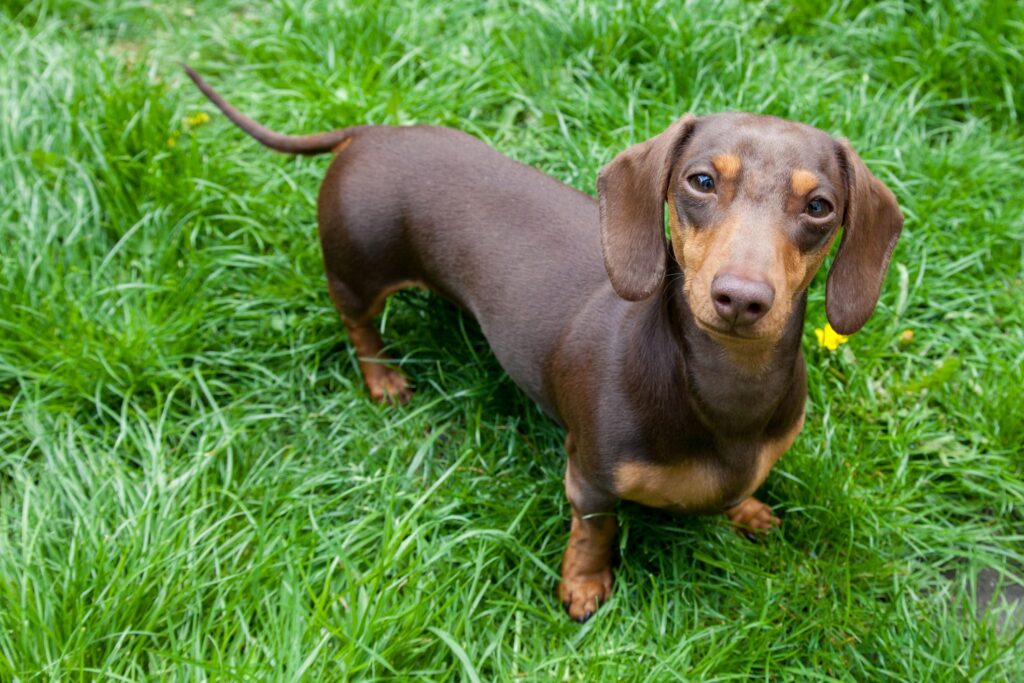
A fully grown Miniature Dachshund weighs 4-5 kg and reaches adult height by 8-12 months, though they continue filling out until around 18 months. Their most striking feature is obvious: an elongated spine and short, muscular legs. This unique build served them well for hunting, but creates challenges modern owners need to understand.
Three Coat Types
Every Mini Dachshund falls into one of three coat categories:
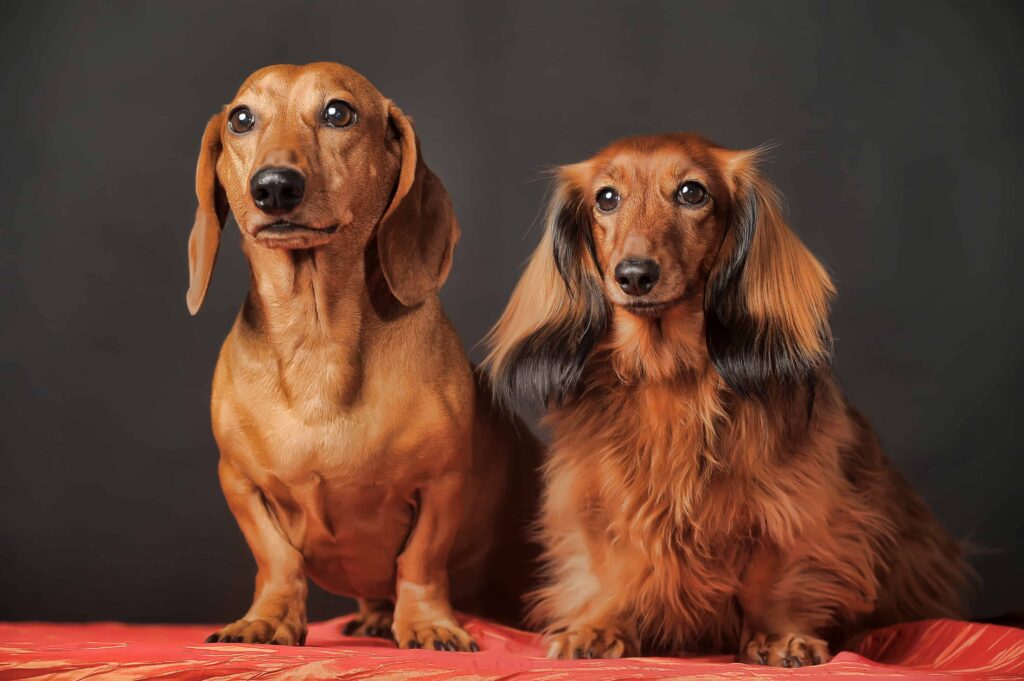
- Smooth-haired: The most common variety has a short, glossy coat that lies flat against the body.
- Long-haired: These dogs sport flowing, silky hair that’s slightly wavy, particularly on the ears, chest, legs, and tail.
- Wire-haired: The rarest variety in Australia, wire-haired Mini Dachshunds have a dense, wiry outer coat with a softer undercoat.
Interestingly, coat type doesn’t just affect grooming. Research from theDachsLife 2015 study found smooth-haired Dachshunds have the highest prevalence of back problems at 25%, whilst wire-haired dogs showed the lowest at just 9%.
Colour Varieties
Mini Dachshunds come in more colour combinations than you might expect.
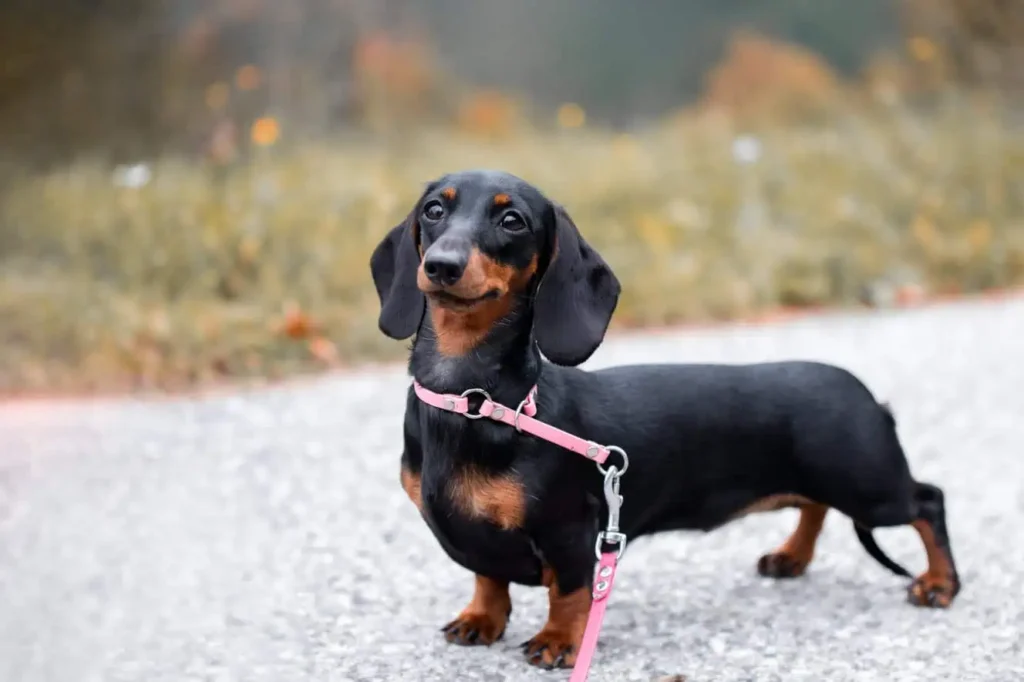
Solid colours include red (the most common), cream, black, and chocolate. Two-colour combinations like black and tan, chocolate and tan, or blue and tan are popular. Then there are patterned coats: dapple (marbled pattern), brindle (tiger stripes), piebald (white patches), and sable (darker-tipped hairs).
Each Dachshund’s colouring is unique, but be aware that certain colour genetics carry health risks. Double dapple puppies (bred from two dapple parents) often suffer from blindness, deafness, or missing eyes. Responsible breeders never produce double dapple litters.
Temperament & Personality: Big Dog Energy in a Small Package
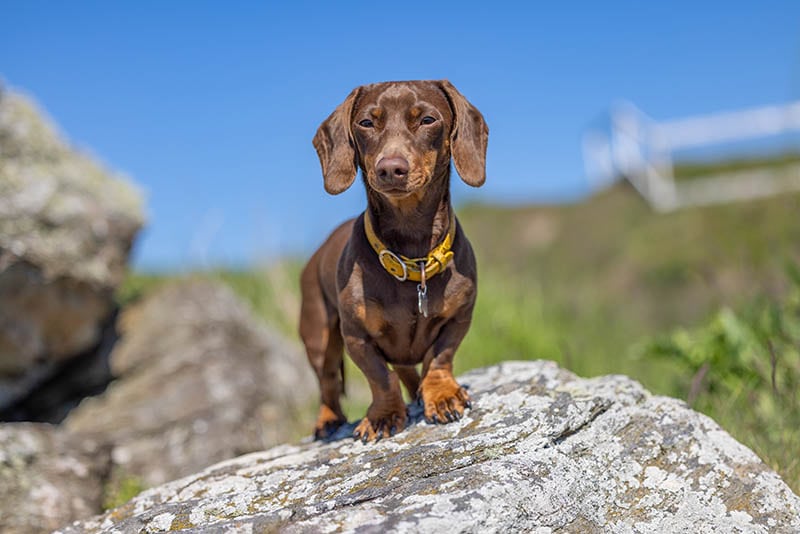
Don’t be fooled by the size. Miniature Dachshunds genuinely believe they’re large, fearless dogs, and they act accordingly.
Bold and Confident
Mini Dachshunds are famously brave. They’ll challenge dogs five times their size, chase possums up trees, and alert you to every delivery driver within a 100-metre radius. This courage made them excellent hunting dogs, but requires management in domestic life. Socialisation from puppyhood is essential to prevent them from becoming reactive or aggressive toward other dogs.
Stubbornly Independent
These dogs were bred to make decisions underground, away from their handlers. That independence translates to stubbornness in training. Your Mini will understand exactly what you want — they just might not care unless there’s something in it for them. Positive reinforcement with food rewards works far better than harsh corrections, which they’ll simply ignore.
Incredibly Loyal
Once a Mini Dachshund bonds with you, that bond is fierce. They often choose one person as “their human” whilst still being affectionate with other family members. They’re velcro dogs who want to be wherever you are, whether that’s on the couch, in the garden, or yes, in the bathroom.
Prone to Separation Anxiety
That intense loyalty has a downside. Mini Dachshunds left alone for long periods often develop separation anxiety, which can manifest as destructive chewing, excessive barking, or toileting indoors. They’re not suited to families where everyone works full-time unless you can arrange doggy daycare or dog walkers.
Alert Watchdogs
Your Mini will bark. A lot. At the postie, at leaves blowing past, at suspicious shadows on the wall. Whilst this makes them excellent watchdogs for their size, it can cause problems with neighbours if not managed through training. They’re particularly vocal compared to many small breeds.
Playful and Entertaining
Despite their serious hunting heritage, Mini Dachshunds are clowns who love making their families laugh. They’ll invent games, “help” with gardening (dig holes), and find creative ways to get attention. Their antics are endlessly entertaining — just don’t laugh when they’re doing something you don’t want repeated.
Health Considerations: The Back Problem You Can’t Ignore
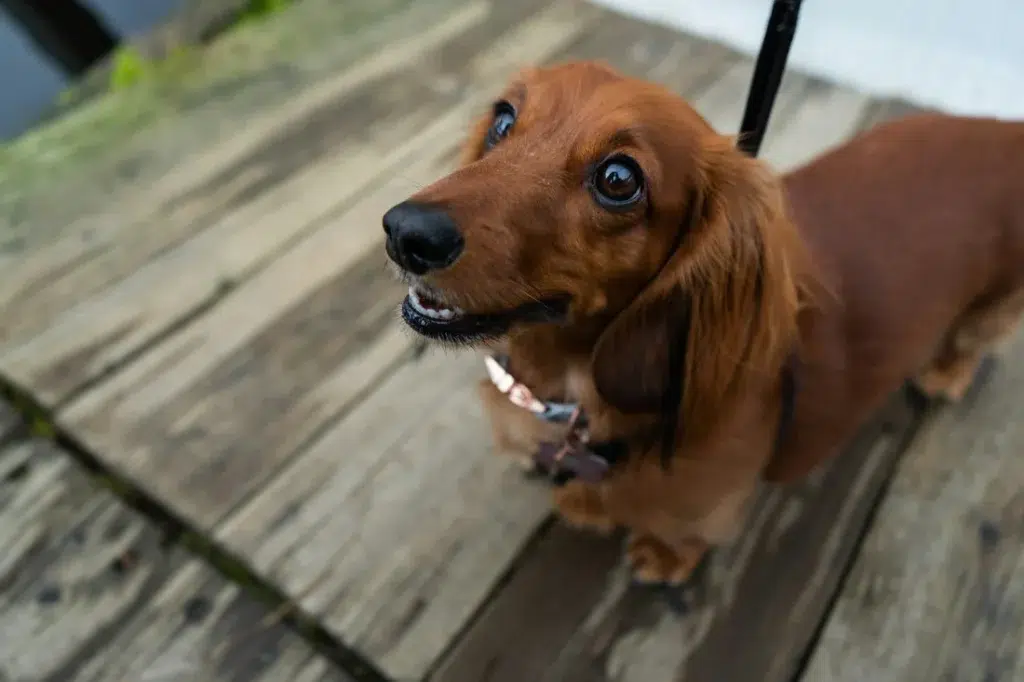
Let’s address the elephant in the room: Miniature Dachshunds have significant health vulnerabilities, particularly affecting their spines.
Intervertebral Disc Disease (IVDD): The Big One
IVDD is a degenerative condition where the cushioning discs between vertebrae deteriorate, bulge, or rupture, pressing on the spinal cord. According to research published inCompanion Animal Health and Genetics, Dachshunds face a risk 10-12 times higher than other breeds, with 19-24% showing clinical signs during their lifetime.
TheAmerican College of Veterinary Surgeons reports that Dachshunds alone account for 40-75% of all IVDD cases in dogs. Most cases occur between ages 4-7, though some dogs show signs as young as 3.
Signs of IVDD include:
- Reluctance to jump on furniture or use stairs
- Hunched back or stiff gait
- Yelping when touched or picked up
- Weakness or dragging of hind legs
- Loss of bladder or bowel control (emergency situation)
IVDD can range from mild discomfort managed with rest and medication to complete paralysis requiring emergency surgery. Surgery costs can easily reach $8,000-$15,000 in Australia, and even with treatment, some dogs never regain full function.
Prevention strategies:
- Maintain a healthy weight — obesity significantly increases risk
- Use ramps or stairs to prevent jumping on/off furniture
- Support their back properly when lifting (one hand under chest, one under bottom)
- Avoid activities that strain the spine: no jumping for frisbees, no leaping off decks
- Keep them on lead around other dogs to prevent rough play
- Consider a well-fitted harness instead of collar for walks
Interestingly, theDachsLife study found that Dachshunds living with two or more other Dachshunds had half the IVDD risk compared to dogs living alone, possibly because they encourage gentle, appropriate play.
Other Health Issues
- Obesity: Excess weight puts enormous strain on their already vulnerable backs
- Dental problems: Small breeds often develop dental disease
- Patellar luxation: Kneecaps that slip out of place, causing lameness. More common in Minis than Standards.
- Progressive Retinal Atrophy (PRA): An inherited condition causing gradual vision loss.
- Epilepsy: Can occur in Dachshunds, usually appearing between ages 1-5.
- Cushing’s disease: A Hormonal disorder more common in Dachshunds than many breeds.
Regular vet checkups catch problems early. Pet insurance is worth considering — these dogs can rack up veterinary bills.

Exercise & Activity Requirements: Keeping Them Fit Without Breaking Their Backs
Mini Dachshunds need daily exercise, but the type matters enormously. These are working dogs originally bred to hunt all day, so they have more stamina than you’d expect from their size.
Daily Exercise Needs
Aim for 30-60 minutes of activity daily, split into multiple sessions. Two 15-20 minute walks plus playtime work well for most Minis. They’re surprisingly active and energetic—boredom leads to destructive behaviour and excessive barking.
Back-safe activities
- Walking: Keep them on the lead to prevent them charging after wildlife or other dogs.
- Sniffing games: Hide treats around the garden and let them hunt.
- Gentle fetch: On flat ground only, with balls that roll rather than encouraging jumping.
- Swimming: Excellent low-impact exercise if your Mini enjoys water.
- Digging pit: Designate a spot where digging is allowed.
Activities to avoid
- Jumping
- Stairs
- Rough play with large dogs
- Intensive running
Grooming by Coat Type: Low to Moderate Maintenance
Your grooming routine depends entirely on which coat type you have.
Smooth-Haired Mini Dachshunds
Easiest to maintain. Brush once or twice weekly with a soft-bristle brush or rubber grooming mitt to remove loose hair and distribute natural oils. They shed consistently but not heavily. Bath only when needed — every 2-3 months unless they’ve rolled in something unpleasant.
Long-Haired Mini Dachshunds
Need brushing 2-3 times weekly to prevent matting, particularly behind the ears, under the arms, and on the chest where hair is longest. Use a slicker brush followed by a metal comb to work through any tangles. They shed more noticeably during spring and autumn. Bathe every 4-6 weeks, using dog-specific conditioner to keep the coat silky.
Wire-Haired Mini Dachshunds
Require the most grooming. Brush 2-3 times weekly with a slicker brush and comb. The wiry coat should be hand-stripped (plucked) 2-4 times yearly to maintain proper texture — clipping softens the coat. Many owners have a professional groomer handle stripping. The eyebrows and beard need regular trimming to prevent food from getting caught and matting.
Universal Grooming Tasks:
- Nails: Trim every 2-4 weeks
- Teeth: Brush several times weekly with dog toothpaste to prevent dental disease.
- Ears: Check weekly for dirt, redness, or odour.
- Paw pads: Check for cracks or injuries, especially after beach walks or hikes.
Training Your Mini Dachshund: Patience Required
Training a Miniature Dachshund tests your patience. They’re intelligent (they understand exactly what you want), but they’re also stubborn and easily distracted by interesting smells or sounds.
Start Early
Begin training the day you bring your puppy home. Mini Dachshunds are easier to train as puppies before bad habits form. An 8-week-old puppy is absolutely capable of learning basic commands.
Positive Reinforcement Only
Harsh corrections don’t work with this breed. They’ll shut down, ignore you, or become anxious. Instead, use high-value treats (tiny pieces of chicken or cheese work brilliantly), praise, and play as rewards. Make training fun and keep sessions short — 5-10 minutes is plenty for a puppy.
Socialisation Is Critical
Expose your Mini to different people, dogs, environments, and experiences between 8-16 weeks of age. Properly socialised Dachshunds are confident and friendly. Poorly socialised ones become reactive, fearful, or aggressive. Puppy school is invaluable.
House Training Challenges
Mini Dachshunds are notoriously difficult to toilet train. Small bladders, stubborn personalities, and a dislike of cold or wet weather create the perfect storm. Expect toilet training to take 4-6 months, sometimes longer.
House training strategies:
- Take them out immediately after waking, eating, or playing
- Choose a specific toilet spot and praise heavily when they use it
- Supervise constantly indoors — crate training helps
- Never punish accidents — it teaches them to hide and toilet where you won’t see
- Consider a doggy door and an enclosed area for independence
- Be patient and consistent
Living with a Mini Dachshund in Australia
Hot Weather Management
Despite their German origins, many Mini Dachshunds love sunbathing. The problem? They overheat quickly due to their low-to-ground build and can’t cool down efficiently. Dark-coloured and long-haired varieties are most at risk.
Summer strategies:
- Walk early morning or evening, avoiding midday heat
- Provide constant access to cool, fresh water
- Create shaded areas in the yard
- Never leave them in cars, even briefly
- Watch for excessive panting, drooling, or lethargy
Cold Weather Management
Mini Dachshunds lack an insulating undercoat and lose body heat rapidly due to their small size and low-to-ground build. They’re susceptible to “wet belly syndrome”, where their tummy stays damp after walking on wet grass, potentially causing hypothermia.
Winter strategies:
- Invest in well-fitted dog sweaters or jackets for cold days
- Provide warm, draft-free sleeping areas with soft bedding for burrowing
- Shorten walks during very cold weather
- Dry them thoroughly if they get wet
Apartment Living
Mini Dachshunds adapt well to apartment living due to their size. However, their tendency to bark at noises means you’ll need to work on training from day one to keep neighbours happy.
Families with Children
They can be excellent with kids but require supervision. Their small size makes them vulnerable to rough handling, and their stubborn streak means they might snap if hurt or annoyed. They’re better suited to families with older children who understand how to handle dogs respectfully.
Other Pets
Mini Dachshunds generally get along with other dogs, especially other Dachshunds. Their prey drive means cats, rabbits, guinea pigs, or birds might trigger chasing behaviour. Socialisation from puppyhood helps, but never guarantees safety with small pets.
What to Expect: Costs & Commitment
Bringing home a Mini Dachshund means committing to 12-16 years of care. Here’s what that looks like financially and practically in Australia.
Upfront Costs
Puppy price: $2,500-$5,000 from a registered breeder. Mini Dachshunds from quality breeders who health-test parents cost more, but you’re paying for reduced health risk. “Bargain” puppies from backyard breeders or puppy farms often come with expensive health problems and behavioural issues.
Initial supplies: $500-$800 for crate, bed, food bowls, harness, lead, toys, grooming supplies, and initial vet visits.
Ongoing Costs
- Food: $30-$60 monthly for quality food
- Veterinary care: $500-$1,000 yearly for routine checkups, vaccinations, heartworm prevention, and flea/tick control
- Grooming: $0-$80 per groom, depending on coat type
- Pet insurance: $40-$80 monthly, strongly recommended given IVDD risk
- Emergency vet fund: Set aside money for potential back surgery or other emergencies
- Training classes: $150-$300 for puppy school and basic obedience
Time Commitment
Beyond finances, Mini Dachshunds need daily exercise, training, grooming, and companionship. They’re not suited to busy owners who are away 10 hours daily. If your lifestyle means the dog would be alone more than 4-5 hours regularly, consider whether this breed is right for you.
Finding a Responsible Breeder in Australia
If you’ve decided a Mini Dachshund is right for you, finding a responsible breeder is crucial.
Red flags to avoid:
- Multiple litters available at once or breeding multiple breeds
- Won’t let you visit and meet the parents
- Puppies available to leave before 8 weeks
- No health testing of parents
- Can’t provide registration papers or pedigree
- Pressure to buy immediately
- Meeting in car parks or public locations rather than their home
What good breeders do:
- Health test breeding dogs for PRA and other genetic conditions
- Can show you where puppies are raised (clean, socialised environment)
- Let you meet at least the mother, ideally both parents
- Ask YOU questions about your lifestyle, home, and experience
- Provide contracts with health guarantees
- Offer ongoing support and advice after purchase
- Are registered with Dogs Australia (formerly ANKC)
- Willing to take the dog back if circumstances change
Adoption Alternative
Dachshund-specific rescues exist across Australia. Adult dogs needing homes can be wonderful companions, often coming house-trained and past the destructive puppy phase. Rescue dogs may have unknown health histories, but can be just as loving as puppies.
Are You Ready for the Adventure?
Miniature Dachshunds aren’t for everyone. They’re stubborn, vocal, prone to expensive health problems, and require patient, consistent training. But for the right owner, these quirky little dogs offer fierce loyalty, endless entertainment, and a personality far bigger than their tiny bodies suggest.
If you can commit to protecting their backs, managing their weight, providing daily exercise and mental stimulation, and dealing with their determined independence, a Mini Dachshund will reward you with 12-16 years of devotion. Just don’t expect an obedient, quiet lap dog — you’re getting a miniature badger hunter who thinks rules are merely suggestions and believes every knock at the door requires investigation.